Never before had I so realized the miracle of the continued race, the creation and recreation, the weaving and changing and handing down a fleshly elements. That a child should be born of its mother, that it should grow and clothe itself (we know not how) with humanity, and put on inherited looks, and turn its head with the manner of one ascendant, and offer its hand with a gesture of another, are wonders dulled for us by repetition.”
“I’ve often felt like the deeper discipline of poetry is overhearing yourself say things you didn’t want to know about the world, something that actually emancipates you from this smaller self out into this larger dispensation that you actually didn’t think you deserved. So one of the things we’re most afraid of in silence is this death of the periphery, the outside concerns, the place where you’ve been building your personality and where you think you’ve been building who you are, starts to atomize and fall apart. It’s one of the basic reasons we find it difficult even just to turn the radio off or the television or not look at our gadget — is that giving over to something that’s going to actually seem as if it’s undermining you to begin with and lead to your demise. The intuition, unfortunately, is correct. You are heading toward your demise, but it’s leading towards this richer, deeper place that doesn’t get corroborated very much in our everyday outer world.”
“We ask, typically and acutely, when we’re in a relationship with someone who is inflicting a great deal of pain on us: someone who is refusing to open their hearts or can never stop lying, someone who is aggressive or detached, someone who is harming themselves or managing to devastate us. We ask too because the one immediately obvious response to frustration isn’t in this case open to us: we’re not able to simply get up and go, we are too emotionally or practically invested to give up, something roots us to the spot. And so, with the example of one troublesome human in mind, we start to wonder outwards about human nature in general, what it might be made of and how malleable it could turn out to be.
One thing is likely already to be evident to us: even if people can change, they certainly don’t change easily. Maybe they flare up every time we raise an issue and accuse us of being cruel or dogmatic; maybe they break down late at night and admit they have a problem but by morning, vehemently deny that there could ever be anything amiss. Maybe they say yes they get it now, but then don’t ever deploy understanding where it really matters. We can at best conclude that by the time we’ve had to raise the question of change in our minds, someone around us has managed not to change either very straightforwardly or very gracefully.
We might ask a prior question: is it even OK to want someone to change? The implication from those who generate trouble for us is, most often, an indignant ‘no’. ‘Love me for who I am’ is their mantra. But considered more imaginatively, only a perfect human would ever deny that they might need to grow a little in order more richly to deserve the love of another. For the rest of us, all moderately well-meaning and half-way decent requests for change should be heard with goodwill and in certain cases acted upon with immense seriousness. Those who bristle at the suggestion that they might need to change are—paradoxically—giving off the clearest evidence that they may be in grave need of inner evolution.”
Nevertheless the difference in mind between man and the higher animals, great as it is, certainly is one of degree and not of kind.”
Man is a mystery. It needs to be unravelled, and if you spend your whole life unravelling it, don’t say that you’ve wasted time. I am studying that mystery because I want to be a human being.”
― Fyodor Dostoevsky
In the end, we will conserve only what we love, we will love only what we understand, and we will understand only what we are taught.”


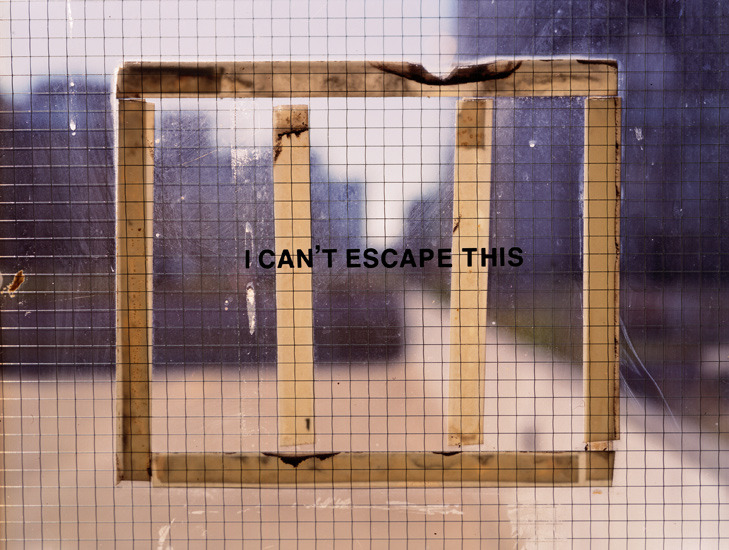


 Lisa Marie Blair